|
|
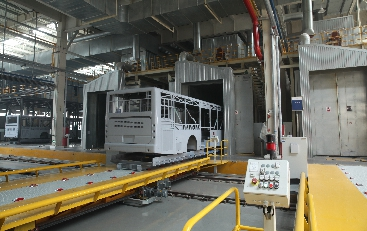
Bus coating is a critical process in complete bus manufacturing. It not only delivers a neat and unified exterior appearance for vehicles, but also provides tailored protection for the body structure to accommodate the high-frequency operation and multi-scenario application of buses, extending the service life of vehicles in daily operation. As an industrial technology balancing practical protection, exterior marking and operational requirements, bus coating adopts a well-designed combination of multi-layer composite coatings to meet long-term service demands for public transit, passenger transport, commuter shuttles and other scenarios.
I. Functional Design of Multi-Layer CoatingsBus coating adopts a multi-layer composite structure. Each coating layer is functionally designed according to bus operating conditions, collectively forming a protection system suitable for long-term operation: Electrophoretic Primer Layer: Primary Anti-Corrosion LayerThis is the first continuous coating formed after pretreatment of the body-in-white. Through electrophoresis, the coating uniformly covers large steel panels, frame welds and enclosed cabin cavities of the bus body. The electrophoretic layer forms a continuous protective film on the metal surface, blocking direct contact between steel and moisture, salt in operating environments, and lowering the risk of body corrosion. It serves as a fundamental protection for the bus body structure during long-term operation. Intermediate Coating: Impact-Resistant Transition LayerSprayed over the electrophoretic layer, it mainly fills fine textures on steel panels and weld marks, providing a smooth substrate for subsequent topcoat. Meanwhile, the intermediate coating features impact resistance adapted to bus operation. It cushions impacts from gravel splashed during long-distance driving, reduces risks of direct steel damage by external forces, inhibits adverse reactions between different coating layers, and improves the adhesion stability of the whole coating system. Basecoat: Exterior & Marking LayerThis core layer determines the color and marking effect of the bus exterior. Colors can be customized to match operators’ brand identity and route marking requirements. In view of buses’ high-frequency outdoor operation, basecoat formulas are optimized for weather resistance to reduce fading under long-term exposure to sunlight, wind and rain, ensuring body markings remain legible after years of service. Clear Coat: Wear-Resistant Protective LayerA transparent protective coating covering the basecoat. It improves gloss uniformity of the paint surface and blocks ultraviolet rays to slow basecoat oxidation and discoloration. Considering frequent washing and exposure to various road contaminants during bus operation, clear coat reduces fine scratches generated in daily cleaning and resists erosion from exhaust residues and road dust deposits. II. Conventional Process Flow for Bus ProductionBus coating is mostly carried out in enclosed clean workshops. Stable environmental control ensures uniform coating application over large body surfaces. The standard process includes the following steps: PretreatmentDegreasing, water washing, surface conditioning, phosphating and other procedures remove oil stains and welding contaminants on the large bus body. A uniform conversion film is formed on steel surfaces to enhance overall adhesion of subsequent coatings. Electrophoretic CoatingThe pretreated body-in-white is fully immersed in an electrophoresis tank designed for large workpieces. Under electric field, coating adheres evenly to internal and external body surfaces. The body is then transferred to large baking equipment for full curing at specified high temperatures. Intermediate and Topcoat SprayingAutomated spraying equipment for large workpieces works together with manual touch-up spraying to maintain coating thickness within a reasonable range across the large body. Low-emission coating processes are widely adopted in the industry, which guarantee coating quality while cutting energy consumption and volatile organic compound (VOC) emissions. Marking & InspectionAfter full coating curing, body route signs and safety warning markings are applied as required by operators. Manual inspection is performed across the whole bus to remove visible paint defects and guarantee uniform paint finish. III. Development Trends of Bus Coating IndustryWith rising requirements for green production and diversified bus application scenarios, bus coating technology keeps advancing toward low emission and high wear resistance: Wide Adoption of Environment-Friendly CoatingsWater-based coatings, with water as the main diluent, greatly reduce VOC emissions during production and have been widely applied in bus manufacturing. Upgraded High Weather-Resistant CoatingsTailored for long-term outdoor bus operation, new coating formulas deliver improved weather resistance and washing resistance, lowering paint maintenance costs after years of service. Digital Spraying UpgradeIntelligent spraying control systems adjust spraying parameters for different areas of large bodywork in real time. Combined with visual inspection equipment for full-body paint quality screening, coating utilization is improved and material waste for large workpiece spraying is reduced. Expansion of Functional CoatingsNew coating technologies with self-cleaning and low-adhesion properties are gradually implemented. They reduce dirt accumulation on body surfaces during operation and cut daily cleaning workload. Overall, bus coating is a core manufacturing process that directly affects the long-term operating condition of vehicles. Stable processes and properly matched materials effectively reduce subsequent paint maintenance investment for operators and preserve the exterior appearance and protective performance of buses throughout their multi-year service life. |