|
|
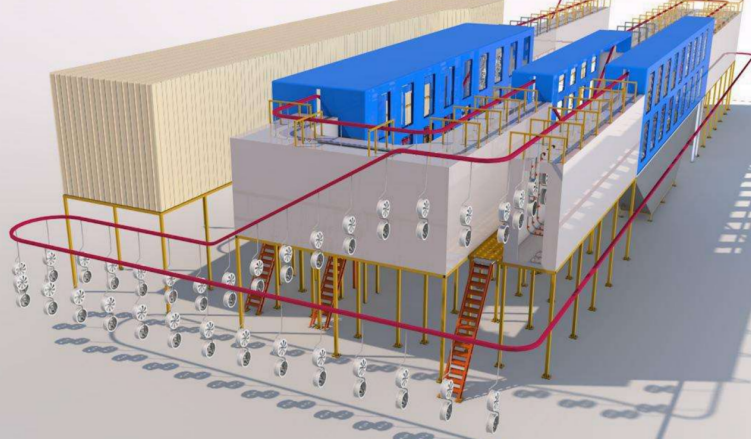
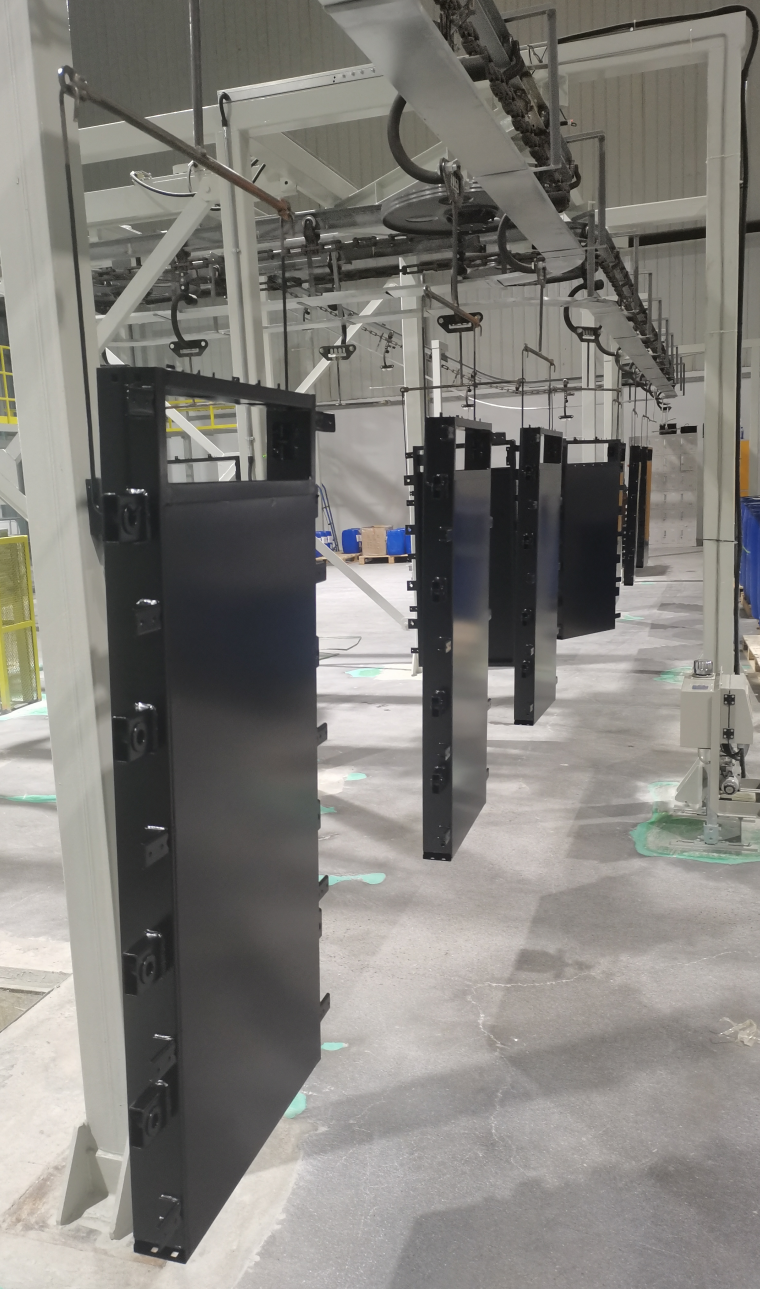
Our customized intelligent coating production lines for components support coating of a full range of automotive parts including plastic covers, chassis parts, structural components, metal stampings and body accessories. Integrating automated full processes of pretreatment, electrophoretic coating, spraying, curing and in-line inspection, the lines align with relevant industry standards for corrosion resistance, weather resistance, coating adhesion and surface finish, and deliver integrated solutions for anti-corrosion protection and decorative coating of various automotive components.
To address challenges of automotive chassis parts, stamped structural members and metal accessories operating under harsh conditions, which tend to develop rust at edges and gaps and suffer paint film peeling, the production line is equipped with a fully automatic intelligent conveying system. After workpiece loading, degreasing, multi-stage water washing, phosphating or silane treatment run automatically to remove oil contaminants and impurities on workpiece surfaces and form a uniform conversion film, improving adhesion and bonding performance of subsequent coatings. The supporting cathodic electrophoretic process covers hard-to-reach areas such as gaps and edges of workpieces to provide encapsulation protection, boosting corrosion resistance of complex components and lowering after-sales quality risks caused by paint peeling and rust formation.
The topcoat section of the production line is fitted with intelligent spraying robots enabling flexible switching between powder coating and liquid coating. Coatings with varied colors, gloss levels and functional properties can be formulated per custom requirements to meet diverse coating needs. The enclosed curing zone is equipped with a temperature control system to facilitate even curing of paint films and reduce surface defects including color difference, sagging and pinholes. An in-line visual inspection system is also deployed to screen paint film thickness and surface imperfections in real time and divert non-conforming items automatically, helping maintain consistent quality across batches. The complete production line features production capacity, flexible operation and eco-friendly performance. Supported by a dedicated environmental treatment system, waste gas and wastewater are treated in compliance with industrial environmental specifications for discharge, reflecting the concept of green and low-carbon manufacturing. The line has flexible production capacity for rapid production changeover among components of different specifications, accommodating both mass production and small-batch custom orders to serve coating subcontracting needs of vehicle OEMs and component suppliers. Backed by process framework and refined quality control protocols, we provide integrated coating solutions for various automotive parts with lasting corrosion protection and steady surface presentation. Within automotive component systems, non-metallic exterior trims are core parts that shape vehicle styling. They mainly include bumpers, grilles, wheel arches, side skirts, outer mirror housings, roof rack covers, sill trims, tailgate moldings and spoilers, mostly made of non-metallic substrates such as PP, ASA, ABS and TPO. These components carry important aesthetic functions. They can form curved surfaces, sharp edges, hollow structures and multi-color styling difficult to achieve through metal stamping. Treatments such as coating, paint-free molding and graining can create matte, high-gloss and other surface textures to match vehicle design themes. They also help conceal sheet metal joints, welding marks and mounting holes for decorative effects. Therefore, their coating process and finished quality exert a direct influence on the overall visual performance of vehicles, making process control essential. The 3C1B coating process is widely adopted across the industry for automotive non-metallic exterior trims. It falls into waterborne 3C1B and solvent-borne 3C1B by coating material type. The full standardized workflow is as follows: Loading → Pretreatment Degreasing & Washing → Blow-off → Water Drying → Forced Cooling → Flame Treatment → Electrostatic Dust Removal → Primer Spraying → Flash-off → (Waterborne-only: Primer Flash-off and Forced Cooling) → Basecoat Spraying → (Waterborne-only: Basecoat Flash-off and Forced Cooling) → Flash-off → Clearcoat Spraying → Flash-off → Topcoat Curing → Forced Cooling → Final Inspection / Polishing → Unloading. Flame treatment and electrostatic dust removal serve as key procedures for coating quality of non-metallic exterior trims. Common substrates like PP and TPO are non-polar materials with low surface energy and weak coating adhesion. Flame treatment helps raise substrate surface activity to support bonding between coatings and substrates and reduce paint peeling and flaking. Electrostatic dust removal removes fine dust particles on workpiece surfaces, lowering occurrences of paint specks and granular defects and helping retain refined, uniform surface texture. With continuous updates to national environmental regulations, low-VOC and eco-friendly waterborne 3C1B processes are gradually replacing traditional solvent-borne alternatives and becoming mainstream coating solutions for non-metallic exterior trims at OEM plants. Nevertheless, waterborne coatings show notable sensitivity to temperature and humidity in application environments, and flash-off consumes relatively more energy, placing higher requirements on line temperature management, environmental control and energy management systems. Our intelligent coating production line manages process parameters at each station, balancing product appearance, production throughput and environmental operating costs for non-metallic exterior trim coating. |