|
|
Construction machinery coating serves as a core process in the manufacturing system of construction machinery. It delivers a neat and unified brand appearance for various engineering equipment such as excavators, loaders and cranes. Meanwhile, tailored surface protection is provided for equipment operating in harsh environments including open fields, construction sites and mines, effectively extending the trouble-free service life of the whole machine. As an industrial technology balancing structural anti-corrosion, exterior marking and working condition adaptation, construction machinery coating adopts a systematic design of multi-layer composite coatings to meet high-intensity service requirements under diverse engineering scenarios.
I. Functional Division of Multi-Layer Coatings Adapted to Construction Machinery Working ConditionsConstruction machinery generally operates in environments with heavy dust, abundant gravel, high humidity and drastic temperature fluctuations. Its coating system is fully designed around protection demands of working conditions, and each coating layer performs its respective function: Electrophoretic Primer Layer: Anti-Corrosion Base for the Whole MachineThis is the first continuous coating formed after pretreatment of construction machinery structural parts. Through electrophoresis, the coating uniformly covers heavy steel plates, welding seams, enclosed cavities of booms and chassis, and other hard-to-reach areas inaccessible by conventional spraying. The electrophoretic layer forms a dense protective film on the metal surface, isolating steel from direct contact with construction site mud, industrial dust and moisture in saline-alkali land. It reduces the risk of structural corrosion caused by long-term field operation from the source, acting as fundamental anti-corrosion guarantee for stable long-term operation of the whole machine. Intermediate Coating: Impact-Resistant Buffering LayerSprayed over the electrophoretic layer, its core function is to fill surface pits, welding marks and fine textures left by shot blasting on heavy steel plates, providing a smooth substrate for subsequent topcoat. Meanwhile, the intermediate coating is enhanced with outstanding stone-chip resistance. It effectively cushions violent impacts from splashing gravel and muck during equipment operation, preventing hard objects from piercing the coating and damaging the internal metal structure. It also inhibits adverse reactions between primer and topcoat and improves the adhesion stability of the entire coating system. Basecoat: Carrier for Appearance and MarkingsThis core layer determines brand recognition and exterior color of construction machinery. Different brands in the industry generally adopt distinctive exclusive brand colors, which facilitates equipment identification and management at construction sites and improves equipment visibility in complex operating environments. Formulated for long-term outdoor operation, the basecoat features optimized weather resistance to lower risks of fading and chalking under long exposure to strong ultraviolet rays and extreme temperature differences, preserving a clear brand appearance even after years of service. Weather-Resistant Topcoat: Working Condition Protective LayerIt is the final functional layer covering the basecoat. For some high-spec models, an additional clear coat is applied on the surface to reinforce protection. The topcoat is optimized for wear resistance, oil resistance and resistance to chemical adhesion. It can withstand long-term erosion from common construction site substances such as hydraulic oil, diesel oil, cement slurry and industrial dust, reducing paint damage caused by frequent cleaning and hard-object scratches during daily operation and lowering paint maintenance frequency throughout the equipment life cycle.
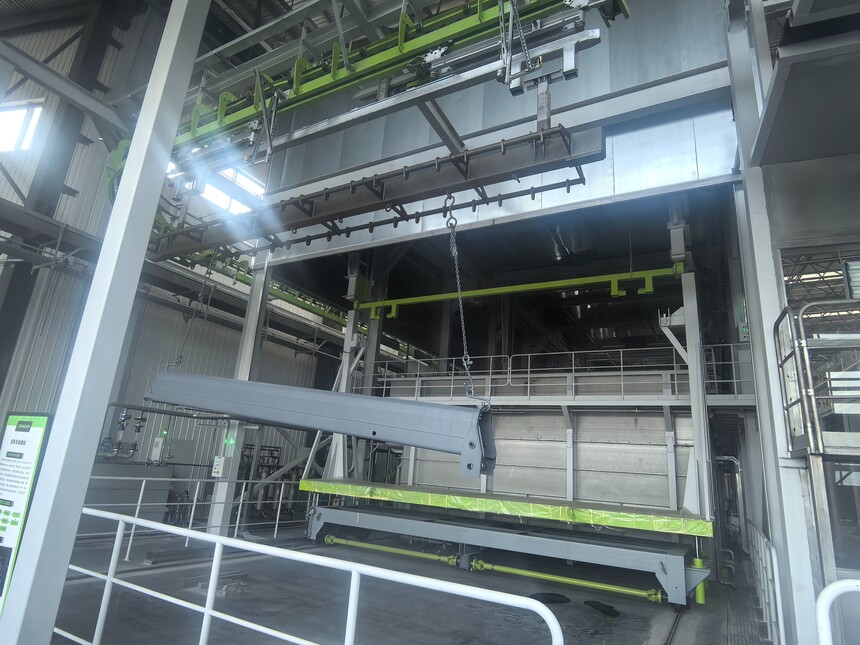
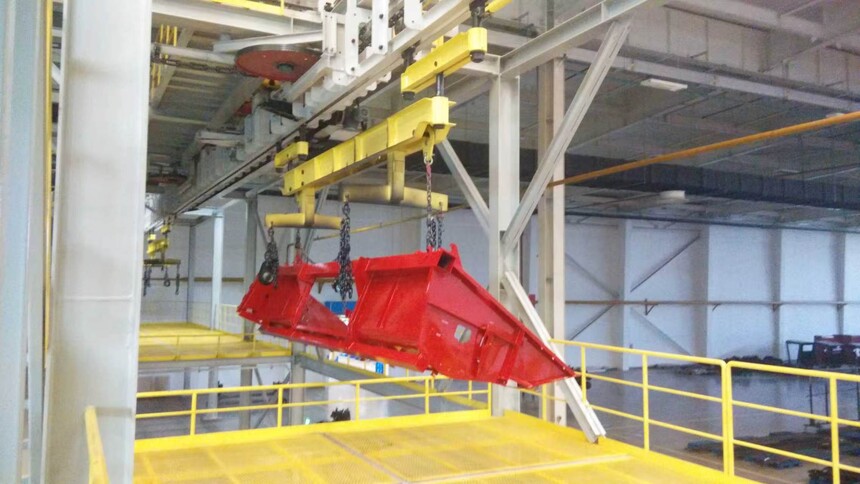
II. Coating Process Flow Adapted to Construction Machinery ProductionConstruction machinery features heavy structural parts, large volume and numerous special-shaped components. The coating process is designed for heavy-duty large workpieces, and the conventional general procedures are as follows: Pretreatment of Structural PartsShot blasting and sand blasting are used to thoroughly remove scale, welding slag and rust layers on heavy steel plates. Multiple washing and surface conditioning procedures are then carried out to form a uniform conversion film on the metal surface, greatly enhancing the bonding strength between subsequent coatings and steel plates. Primer Dip Coating / Electrophoretic ApplicationFor large structural parts including chassis frames, booms and buckets, full-machine electrophoresis or airless high-pressure spraying is prioritized to ensure complete primer protection for all concealed welds and inner surfaces. The components are then transferred to dedicated baking rooms for curing. Intermediate and Topcoat SprayingAutomated spraying robots for large workpieces work together with manual touch-up spraying. For components with high appearance requirements such as cabs and cover panels, coating thickness and uniformity are precisely controlled. For heavy-duty parts like booms and chassis, coating thickness is appropriately increased to strengthen impact resistance. Marking Application and Final InspectionAfter full curing of coatings, safety warning signs, lubrication point prompts, brand logos and equipment serial numbers are sprayed in accordance with industry specifications. A thorough inspection is conducted on all painted surfaces and concealed welding positions of the whole machine, supplementing missing protective spots to ensure the coating of the whole machine meets service requirements of the corresponding model. III. Development Trends of Construction Machinery Coating IndustryWith stricter environmental policies and iterative upgrading of engineering equipment, construction machinery coating technology keeps advancing toward greenization, intellectualization and functionalization: Comprehensive Replacement by Environment-Friendly Coating ProcessesWater-based coatings and high-solids coatings are gradually replacing traditional solvent-borne coatings. Equipped with enclosed spray booths and waste gas treatment systems, they significantly reduce volatile organic compound emissions during coating production to satisfy environmental control requirements across regions. Automation and Intelligent UpgradingThe application rate of robot spraying and centralized paint supply systems keeps rising. Digital systems precisely control spraying trajectories and paint parameters, cutting paint waste during large-workpiece spraying and ensuring stable coating quality across different product batches. Popularization of Special Functional CoatingsFor special operating scenarios such as mines, frigid zones and highly corrosive environments, customized coatings with high wear resistance, low-temperature resistance and strong anti-corrosion performance are increasingly adopted, further extending equipment service life under extreme working conditions. Improvement of Remanufacturing Coating SystemTo meet the renovation and remanufacturing demands of existing engineering equipment, standardized processes for old paint removal, partial repair and full-machine refurbishment coating are gradually maturing, promoting standardized coating maintenance throughout the whole life cycle of construction machinery. Overall, construction machinery coating is more than a simple cosmetic procedure for appearance. It is a core manufacturing link that directly determines the structural durability of equipment under harsh working conditions. The adaptability of coatings and construction quality directly affect the long-term operating cost and operational stability of engineering equipment. |